
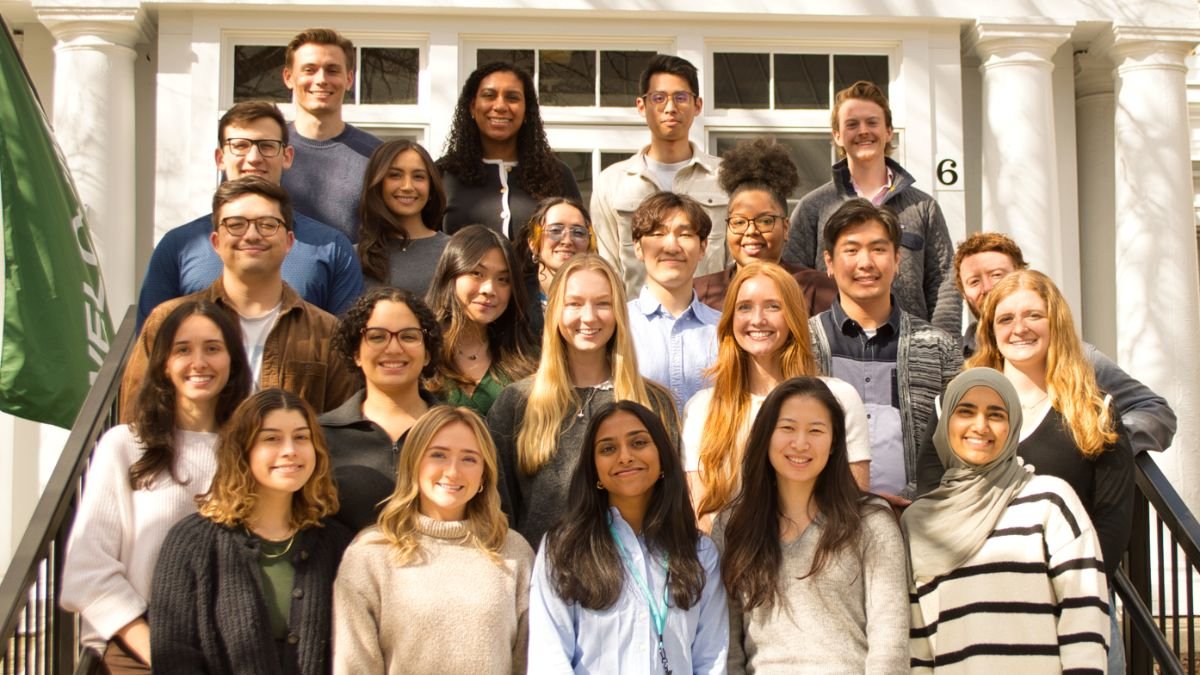
The spirit of service and community development has always been at the heart of the Schweitzer Fellowship. In 2025, Pittsburgh’s Schweitzer Fellows have once again proven their commitment to creating meaningful change, taking on innovative projects that address critical needs in health, education, and social empowerment. These projects not only demonstrate the creativity and dedication of the fellows but also leave a lasting impact on the communities they serve. This year’s initiatives are diverse in scope, ranging from mental health awareness programs to sustainable urban gardening projects, reflecting a deep understanding of local needs and a passion for making a difference.
Promoting Mental Health Awareness in Schools
One of the most noteworthy projects by the 2025 Pittsburgh Schweitzer Fellows focuses on promoting mental health awareness among students in local schools. Recognizing the rising mental health challenges among adolescents, the fellows have designed interactive workshops that teach coping strategies, stress management techniques, and emotional resilience. Unlike traditional programs, these workshops use creative methods such as storytelling, role-playing, and art therapy to engage students actively. By addressing mental health early, the project aims to reduce stigma and encourage students to seek support when needed. Teachers and parents have reported noticeable improvements in students’ communication skills and emotional awareness, highlighting the effectiveness of these innovative initiatives.
Supporting Food Security Through Urban Gardening
Food insecurity remains a pressing issue in many parts of Pittsburgh, and several fellows have taken an eco-friendly approach to combat it. This year, urban gardening projects have been introduced in neighborhoods with limited access to fresh produce. Fellows have collaborated with local schools and community centers to establish vegetable gardens, teaching residents and children the essentials of gardening, nutrition, and sustainable living. These gardens not only provide fresh fruits and vegetables but also serve as educational spaces where community members can learn about healthy eating habits. The project emphasizes community involvement, encouraging neighbors to work together, share resources, and foster a sense of pride and ownership in their local environment.
Empowering Seniors Through Technology
Another standout initiative by the 2025 fellows addresses the growing digital divide among senior citizens. Many older adults in Pittsburgh struggle with technology, limiting their ability to access important information, healthcare resources, and social connections. The Schweitzer Fellows have launched a series of technology workshops specifically designed for seniors. These sessions teach basic computer skills, smartphone usage, and internet safety, while also introducing participants to digital tools for managing health and connecting with loved ones. Beyond technical skills, the program promotes social engagement, helping seniors build confidence and independence in a digitally driven world. Feedback from participants has been overwhelmingly positive, with many expressing newfound confidence in using technology to improve their daily lives.
Combating Childhood Obesity Through Active Play
Childhood obesity is a concern in many communities, and this year’s fellows have tackled it by promoting active lifestyles among young children. Through creative and fun physical activity programs, the fellows encourage children to engage in exercise that feels more like play than work. These programs often incorporate games, dance, and team activities, fostering both physical fitness and social interaction. Beyond physical activity, the initiative also includes educational components about healthy eating habits, helping children understand the connection between nutrition and overall well-being. Parents have praised the initiative for its holistic approach, noting improvements in children’s energy levels, social skills, and interest in maintaining a healthier lifestyle.
Enhancing Access to Preventive Healthcare
Access to preventive healthcare is critical for long-term community well-being, and several fellows have addressed this need by organizing health fairs and screening programs. These events provide residents with access to essential services, including blood pressure checks, cholesterol screenings, and consultations on chronic disease management. The projects are designed to be accessible and inclusive, often held in community centers or local schools to reach as many people as possible. Additionally, fellows provide educational resources and follow-up support, helping residents understand their health risks and take proactive steps toward better health. The combination of direct service and education ensures that the impact of these projects extends far beyond the events themselves.
Promoting Literacy and Academic Support
Education remains a cornerstone of community development, and the 2025 Schweitzer Fellows have devoted considerable energy to literacy and academic support programs. These initiatives include after-school tutoring, reading clubs, and mentorship programs designed to help students develop strong literacy skills and a love for learning. Fellows work closely with teachers and parents to create personalized support plans for students, addressing challenges ranging from reading comprehension to study habits. By focusing on individualized learning and mentorship, these programs aim to boost academic confidence and long-term educational outcomes. Students involved in the programs report feeling more motivated and capable in their studies, reflecting the lasting impact of these projects on young learners.
Supporting Refugees and Immigrants
In 2025, Pittsburgh Schweitzer Fellows have also prioritized support for refugees and immigrant communities, recognizing the unique challenges these populations face. Projects include language learning programs, cultural orientation workshops, and community integration activities. Fellows help newcomers navigate essential services such as healthcare, education, and employment, while also creating safe spaces for social interaction and community building. These initiatives foster understanding, reduce isolation, and empower immigrants and refugees to thrive in their new environment. Feedback from participants emphasizes the value of these programs, highlighting increased confidence, a sense of belonging, and improved access to critical resources.
Environmental Awareness and Sustainability Projects
Environmental consciousness has become a central theme in community work, and the fellows have embraced this by launching projects that raise awareness about sustainability and conservation. Activities include community clean-up drives, recycling workshops, and initiatives to reduce single-use plastics. Fellows also engage youth in environmental education, teaching them about the importance of protecting natural resources and adopting sustainable practices. These projects not only improve the physical environment but also instill a sense of responsibility and environmental stewardship among participants. By combining practical action with education, the fellows ensure that these initiatives have a lasting impact on both the community and the environment.
Fostering Social Inclusion Through Arts and Culture
Arts and culture have been used by fellows as a powerful tool to promote social inclusion and celebrate diversity. Programs this year include community theater projects, collaborative art installations, and music workshops that bring together participants from different backgrounds. These initiatives provide a platform for self-expression, creativity, and dialogue, helping participants build confidence and forge meaningful connections. By emphasizing collaboration and cultural appreciation, the fellows create environments where individuals feel valued and included. Participants report feeling more empowered, socially connected, and inspired to contribute positively to their communities.
Building Mental and Emotional Resilience in Youth
Finally, the Schweitzer Fellows have also focused on building mental and emotional resilience in youth, particularly in communities facing socioeconomic challenges. Through mentorship programs, peer support groups, and workshops on emotional intelligence, the fellows help young people develop coping strategies, self-awareness, and leadership skills. These programs encourage participants to set personal goals, overcome challenges, and build a positive outlook on life. The emphasis on resilience not only supports individual growth but also strengthens the overall community by nurturing a generation of empowered, confident, and socially conscious youth.
Conclusion
The 2025 Pittsburgh Schweitzer Fellows have once again demonstrated the power of innovation, compassion, and community-driven action. Their projects address a wide range of needs—from mental health and education to environmental sustainability and social inclusion—reflecting a holistic approach to community development. What sets these initiatives apart is the thoughtful integration of education, empowerment, and direct service, ensuring that their impact is both immediate and enduring. By tackling pressing social issues with creativity, empathy, and dedication, the fellows not only improve lives today but also inspire a culture of service that will resonate for years to come. The work of these Schweitzer Fellows reminds us that meaningful change is possible when communities come together with vision, passion, and commitment.