
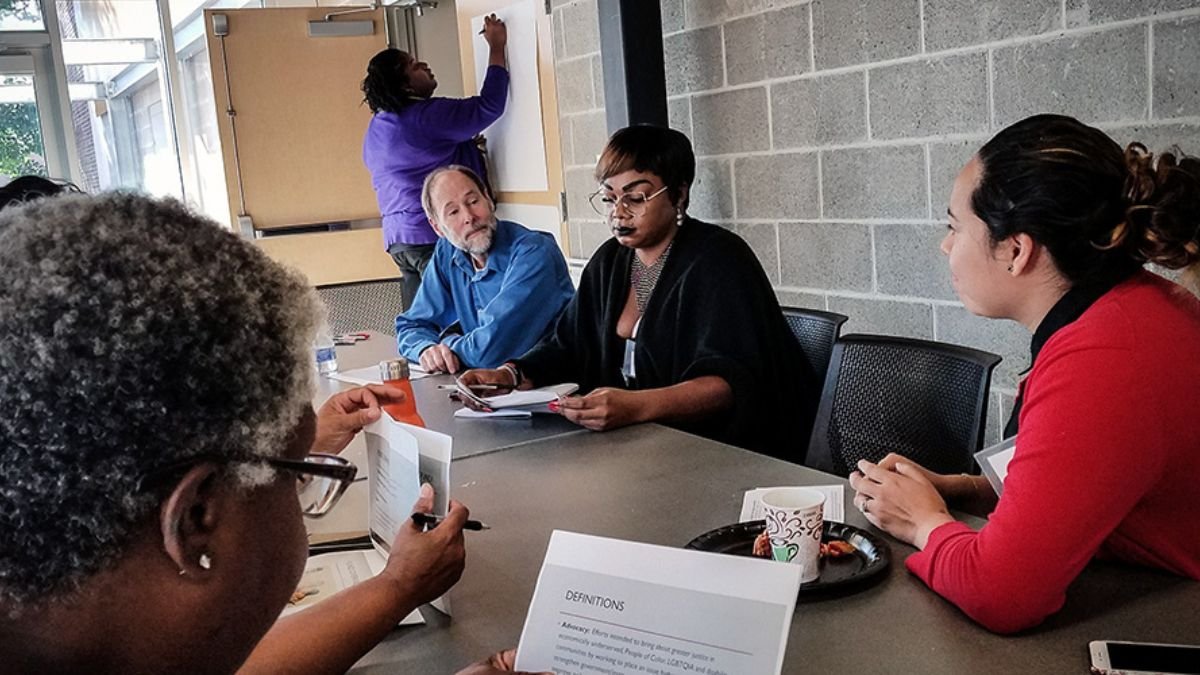
Pittsburgh is often remembered for its steel mills, bridges, and blue-collar grit, but today the city represents something even more powerful: a growing commitment to social justice, equity, and community empowerment. Across neighborhoods, cultures, and generations, people are working together to ensure that everyone has access to opportunity, dignity, and support. At the heart of this effort are PSFP Fellows, a group of passionate individuals who dedicate their time, energy, and skills to strengthening communities throughout the city.
The PSFP Fellowship is built around a simple yet profound idea: real change begins with people. Fellows come from different backgrounds and life experiences, but they share one goal—to create a Pittsburgh where every resident feels seen, supported, and valued. Through education, advocacy, research, mentorship, and direct community engagement, they transform ideals of social justice into meaningful action. This article explores how PSFP Fellows shape the future of Pittsburgh and touch lives in ways that often go unseen but never go unfelt.
Understanding the Mission Behind the Fellowship
The PSFP Fellowship is not just a program; it is a commitment to equity and social responsibility. Fellows work closely with local organizations, schools, nonprofits, and grassroots leaders to identify the needs of underserved communities. These needs may include access to housing, healthcare, education, food security, or social support. Rather than imposing outside solutions, fellows listen first. They talk to residents, learn about challenges, and build trust before creating initiatives that address real concerns.
This approach reflects a deeper philosophy: social justice is collaborative. It is not about helping “for” communities but working “with” them. PSFP Fellows act as bridges between institutions and individuals, ensuring that programs are shaped by the voices of the people they are meant to serve. This commitment to partnership forms the foundation of their impact.
Supporting Education and Expanding Opportunity
Education is one of the most powerful tools for change, yet many students in underserved neighborhoods face barriers that limit their access to quality learning experiences. PSFP Fellows step into this gap by supporting schools, after-school programs, and learning centers across Pittsburgh. They mentor students, assist teachers, help develop inclusive curricula, and create spaces where young people feel confident and capable.
For many students, a fellow becomes more than an educator. They become a role model, listener, and source of encouragement. Whether it is helping a child improve their reading skills, preparing a teenager for college applications, or guiding first-generation students through unfamiliar systems, fellows help young people believe in their potential. Education then becomes more than academics—it becomes empowerment.
Strengthening Communities Through Advocacy and Outreach
True social justice requires changing systems, not just circumstances. PSFP Fellows advocate for fair policies and practices that support equity across the city. This might involve working with nonprofits to research social issues, organizing community meetings, supporting housing rights, or helping residents access vital resources.
Many fellows engage directly with neighborhoods that have historically been underserved or overlooked. They assist families facing food insecurity, support immigrants navigating complex systems, and help individuals connect with social services. By showing up consistently and respectfully, they build relationships rooted in trust.
This everyday advocacy ensures that the needs of vulnerable populations are not ignored. Instead, they are brought into public conversations and policy discussions where real change becomes possible.
Promoting Inclusion, Diversity, and Understanding
Pittsburgh is home to diverse cultures, identities, and histories. PSFP Fellows celebrate this diversity by fostering spaces where differences are not only acknowledged but embraced. They help coordinate cultural events, workshops, and dialogue sessions that encourage understanding across communities.
These efforts reduce social barriers and challenge stereotypes. When people gather to share stories, food, music, and traditions, they also share humanity. Fellows help create environments where people feel safe expressing who they are, whether they belong to racial minorities, LGBTQ+ communities, immigrant groups, or other marginalized identities.
Through this work, inclusion becomes more than representation—it becomes connection.
Research and Learning as Tools for Justice
Another important contribution of PSFP Fellows lies in research. They study issues such as poverty, education inequality, public health disparities, and economic challenges affecting residents. This research is not done from afar; it is grounded in real-world experiences and community voices.
By gathering accurate data and documenting lived realities, fellows help organizations and policymakers make informed decisions. Research highlights where systems fall short and where support is most needed. In this way, knowledge becomes a tool for advocacy and reform.
Empowering Future Leaders and Changemakers
One of the most lasting impacts of the PSFP Fellowship is the development of leadership. Fellows themselves grow into confident advocates who continue to work for justice long after the program ends. Many go on to pursue careers in public service, education, social work, law, healthcare, and community organizing.
Just as importantly, they inspire others—especially young people—to believe that they, too, can make a difference. When a child sees a mentor fighting for fairness, or a community member watches a fellow stand up for their rights, they begin to understand the power of civic engagement. Change then multiplies from one person to many.
Real-World Impact Across Pittsburgh
The work of PSFP Fellows can be seen across neighborhoods—from community centers and classrooms to public forums and nonprofit offices. They help people navigate hardships, create programs that uplift residents, and build partnerships that strengthen the social fabric of the city.
Their impact is often subtle yet deeply meaningful. A grandmother receives housing support. A struggling student discovers confidence. A new immigrant feels welcomed instead of isolated. A young activist finds guidance. Each moment contributes to a larger movement toward justice and dignity.
Human Connection at the Heart of Social Justice
At its core, the PSFP Fellowship is about human connection. Fellows do not view social justice as an abstract idea but as something lived through relationships, empathy, and daily actions. They listen without judgment. They stand beside people during difficult times. They believe that every person deserves respect and opportunity.
This compassion is what gives the fellowship its true power. Policies can shift and programs can change, but kindness and solidarity leave a lasting imprint on hearts and communities.
The Ongoing Journey Toward Equity
Pittsburgh, like every city, continues to face challenges such as inequality, economic hardship, and social division. Yet the work of PSFP Fellows reminds us that progress is always possible when people are willing to act with courage and compassion. Their efforts help shape a future where justice is not just discussed but practiced every day.
The journey toward equity is long, and there is always more work to do. But each fellow contributes an important step forward, proving that meaningful change begins with individuals who care enough to lead.
Conclusion: Transforming Values Into Action
Social justice comes to life not through speeches or slogans, but through everyday actions that honor human dignity. In Pittsburgh, PSFP Fellows embody this truth. They listen to communities, support vulnerable populations, advocate for fairness, uplift young minds, and build bridges across cultural and social divides. Their work reflects a powerful belief—that every person matters, and that together, people can create a city grounded in empathy, opportunity, and justice.
