
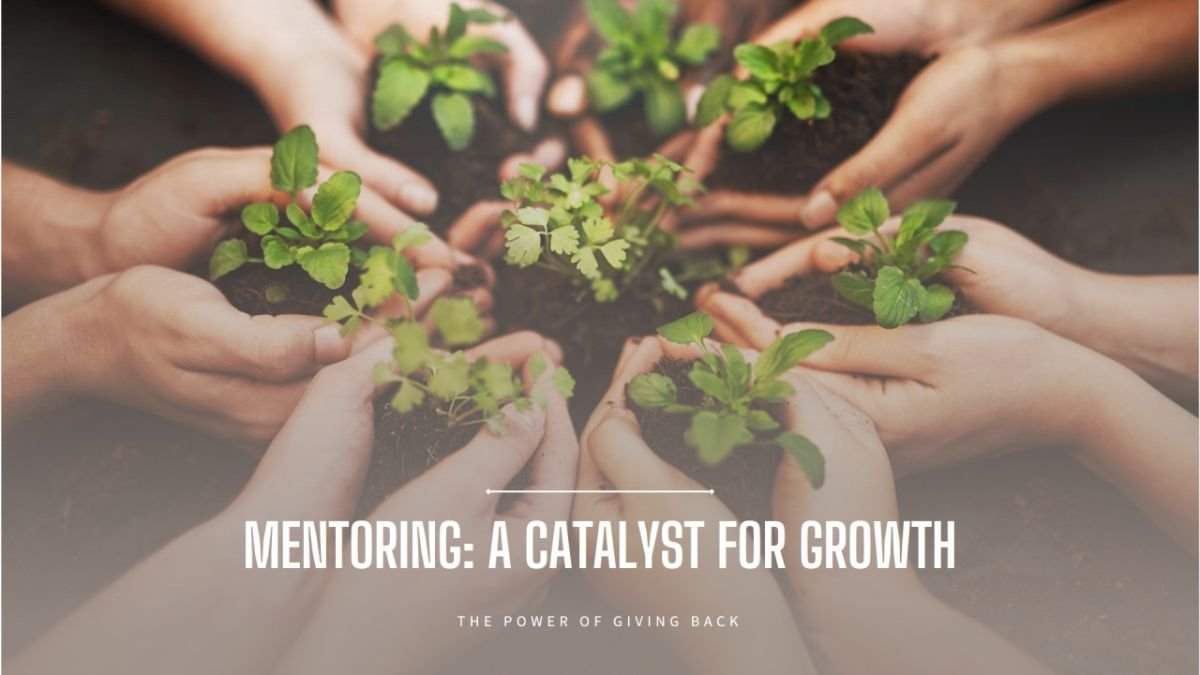
Community health projects are often the backbone of improving healthcare accessibility and quality in underserved areas. They tackle critical issues such as sanitation, vaccination, maternal care, disease prevention, and health education. While the objectives of these projects are clear, their success frequently depends on more than just funding or government support. One of the most pivotal elements in ensuring the effectiveness of community health initiatives is mentorship. Mentors play a transformative role, not only guiding project teams but also shaping the overall impact on the community. Their influence can be seen in strategic planning, capacity building, problem-solving, and long-term sustainability.
Mentors as Guiding Lights in Community Health
Mentors in community health projects act as guiding lights for teams navigating complex and often unpredictable challenges. These projects involve multiple stakeholders, including healthcare workers, local authorities, volunteers, and community members. Each of these groups brings diverse expectations, experiences, and skills. Mentors provide clarity by helping teams prioritize objectives, develop actionable strategies, and identify potential pitfalls. Their guidance ensures that efforts are not only well-intentioned but also well-executed. By sharing their knowledge and experience, mentors prevent teams from repeating avoidable mistakes, ultimately saving time, resources, and lives.
Mentorship in community health also provides moral and emotional support. Fieldwork can be exhausting, emotionally taxing, and fraught with setbacks. Health workers may face resistance from local populations, logistical challenges, or resource constraints. Mentors, through their experience and perspective, reassure teams that challenges are part of the process and offer practical solutions. This encouragement boosts team morale and motivates workers to remain committed to their goals, even in difficult circumstances.
Building Capacity Through Mentorship
One of the most significant contributions of mentors to community health projects is capacity building. Mentors help train and develop skills in project managers, healthcare workers, and volunteers. This training extends beyond technical knowledge to include leadership, communication, conflict resolution, and cultural sensitivity. A well-mentored team is more adaptable, resourceful, and capable of addressing diverse community needs.
For example, in vaccination campaigns, a mentor might guide teams on how to educate families about the importance of immunization, manage resistance due to misinformation, and ensure proper cold chain storage for vaccines. Such guidance ensures that knowledge is not only transferred but also applied effectively, increasing the overall success of the project. Mentors also help identify strengths and weaknesses within the team, assigning responsibilities in ways that maximize individual capabilities and enhance team efficiency.
Mentors as Problem Solvers
Community health projects often operate in environments with unpredictable challenges. From sudden disease outbreaks to cultural barriers or logistical issues, these projects require quick thinking and effective problem-solving. Mentors serve as invaluable problem solvers, helping teams analyze situations, identify the root causes of issues, and implement practical solutions.
Unlike theoretical guidance, mentors bring real-world experience. They have often faced similar challenges in past projects and can provide tried-and-tested strategies. Their ability to foresee potential obstacles allows project teams to prepare in advance, reducing disruptions and improving project outcomes. In addition, mentors encourage innovation, inspiring teams to develop context-specific solutions that reflect the unique needs and circumstances of the communities they serve.
Mentorship and Community Engagement
Effective community health projects rely on strong community engagement. Mentors help teams understand the importance of building trust with the communities they serve. They emphasize the value of listening to community members, respecting local customs, and collaborating with local leaders. A mentor-guided approach ensures that health initiatives are culturally appropriate, widely accepted, and sustainable in the long run.
By modeling respectful and empathetic engagement, mentors teach teams how to navigate sensitive issues, such as gender norms, stigmas around certain illnesses, and traditional health practices. This approach not only facilitates better communication but also fosters a sense of ownership among community members, encouraging them to participate actively in health programs. When communities feel involved and respected, they are more likely to embrace and sustain the changes promoted by health projects.
Mentors Driving Innovation and Adaptation
The dynamic nature of community health requires flexibility and innovation. Mentors inspire teams to think creatively and embrace adaptive approaches. They encourage experimentation with new methods, technologies, and outreach strategies while maintaining ethical and practical standards.
For instance, in rural areas where access to healthcare is limited, mentors may advise teams to use mobile health clinics, telemedicine solutions, or local health champions to extend their reach. They also encourage continuous learning, prompting teams to assess the effectiveness of interventions and make improvements based on feedback and data. Mentors cultivate an environment of critical thinking, where teams are empowered to innovate while maintaining accountability and measurable results.
Mentorship and Sustainability
Sustainability is a crucial aspect of any community health project. Short-term interventions can create immediate improvements but fail to deliver lasting impact without proper follow-up, community involvement, and local capacity building. Mentors play a key role in ensuring that health projects are designed with sustainability in mind.
They help teams develop long-term strategies that extend beyond the lifespan of the project, such as training local health workers, establishing community health committees, or integrating programs into existing local structures. By emphasizing sustainability, mentors ensure that communities continue to benefit from health initiatives long after the initial project concludes. This approach prevents dependency on external support and empowers communities to manage their health independently.
Mentorship as a Catalyst for Leadership Development
Beyond technical guidance, mentors serve as catalysts for leadership development within community health projects. They identify potential leaders among team members and nurture their growth by providing responsibilities, feedback, and encouragement. Leadership development is essential for the continuity and expansion of health initiatives, as empowered leaders can inspire others, manage resources effectively, and address challenges proactively.
Through mentorship, individuals gain confidence, decision-making skills, and strategic thinking abilities that prepare them for larger roles in public health or community development. By fostering leadership, mentors ensure that community health projects are not only successful in the present but are also capable of evolving and scaling in the future.
Measuring Impact Through Mentorship
The role of mentors is also evident in evaluating and measuring the impact of community health projects. Mentors guide teams in establishing clear objectives, monitoring progress, and assessing outcomes. They help interpret data, identify trends, and make evidence-based decisions to refine project activities.
A mentor-driven approach to evaluation ensures accountability and transparency. Teams learn to track indicators such as vaccination coverage, disease incidence, health awareness, and community participation. This data not only validates the effectiveness of the project but also provides valuable insights for future initiatives. Mentors, therefore, contribute to both immediate results and long-term knowledge that strengthens the field of community health.
Overcoming Challenges Through Mentorship
Community health projects face numerous challenges, from limited funding to resistance from local populations. Mentors help teams navigate these difficulties with strategic foresight and practical advice. They teach resilience, patience, and problem-solving under pressure, essential qualities for fieldwork.
Mentors also assist in building partnerships with local authorities, NGOs, and other stakeholders, which can be critical for overcoming resource constraints. By leveraging their networks and experience, mentors help teams gain access to additional support, expertise, and funding opportunities. Their role is not just advisory but also facilitative, helping teams turn obstacles into opportunities for learning and growth.
The Broader Societal Impact of Mentorship
The influence of mentors extends beyond project teams and communities. By transforming the way community health projects are executed, mentors contribute to stronger public health systems, increased community resilience, and improved overall well-being. Their guidance ensures that projects are more efficient, inclusive, and impactful.
Mentorship also encourages a culture of knowledge sharing and collaboration within the health sector. Experienced mentors inspire the next generation of public health professionals, creating a cycle of continuous learning and improvement. The ripple effects of mentorship can therefore extend far beyond the immediate community, shaping healthier societies and more capable healthcare systems.
Conclusion
Mentors play an indispensable role in transforming community health projects. Their influence extends across strategic planning, capacity building, problem-solving, community engagement, innovation, sustainability, and leadership development. Mentors provide guidance, emotional support, and expertise, ensuring that health initiatives are not only implemented effectively but also embraced by the communities they serve. They cultivate resilience, adaptability, and critical thinking within project teams, enhancing both immediate outcomes and long-term impact.