
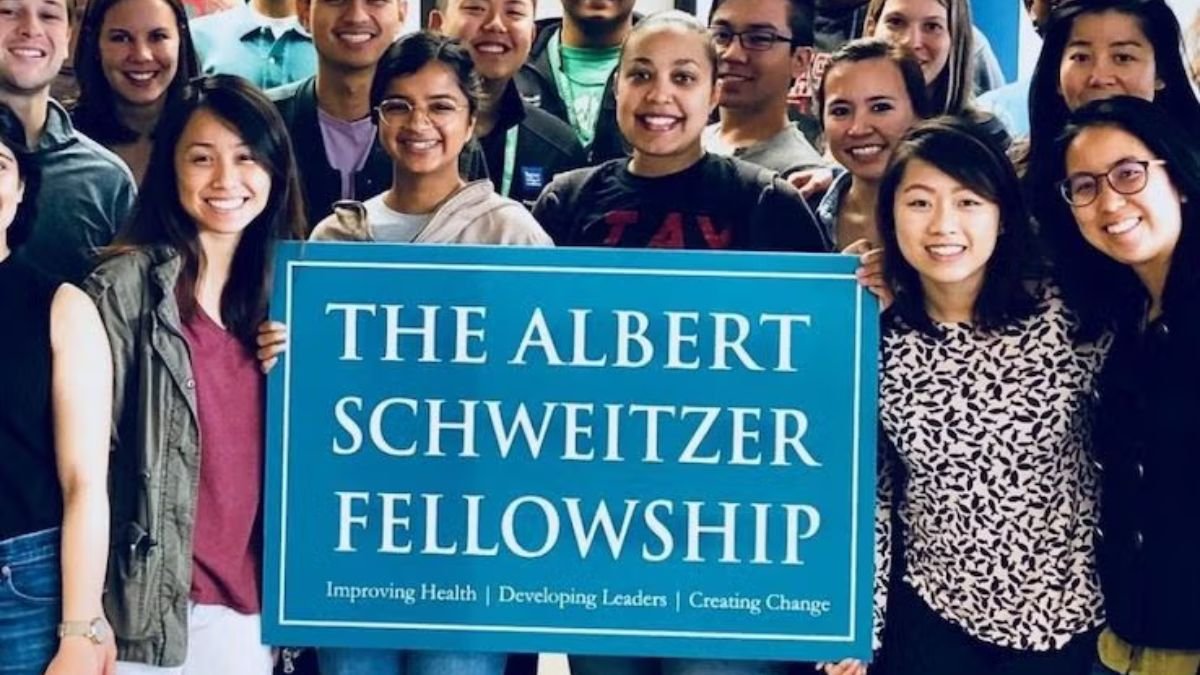
In today’s rapidly changing world, environmental health has become one of the most pressing concerns of our time. Urban centers, industrial hubs, and even small communities are grappling with issues such as air and water pollution, waste management challenges, and the growing threat of climate change. Addressing these complex problems requires not only awareness but actionable initiatives that can make a tangible difference. One such inspiring effort is being led by the Pittsburgh Schweitzer Fellows, a group of dedicated individuals who combine the ideals of community service, public health, and environmental stewardship. Their initiatives demonstrate how targeted efforts can transform local communities while fostering a culture of sustainability.
Understanding the Role of Schweitzer Fellows
The Albert Schweitzer Fellowship is a prestigious program designed to develop leaders in health and community service. Schweitzer Fellows commit a year of service to address the health needs of vulnerable populations, often focusing on innovative and sustainable approaches. In Pittsburgh, this program has expanded its reach to include environmental health, recognizing that environmental factors are directly linked to overall community well-being. By integrating public health principles with environmental awareness, these Fellows work at the intersection of education, advocacy, and practical intervention, creating programs that tackle pressing environmental challenges while promoting healthier lifestyles.
Community Engagement as a Cornerstone
One of the key strengths of the Pittsburgh Schweitzer Fellows’ approach is their emphasis on community engagement. They understand that meaningful change cannot occur without the active participation of the people most affected by environmental issues. This engagement takes many forms, from organizing workshops and local clean-up drives to conducting surveys and educational programs in schools and neighborhoods. Through these initiatives, community members not only become aware of environmental hazards but also gain practical knowledge about reducing exposure and promoting healthier practices. By fostering a sense of ownership and responsibility, the Fellows ensure that their efforts are sustainable and widely supported.
Air Quality and Urban Health
Air pollution is a major concern in urban areas like Pittsburgh, where industrial activity, traffic congestion, and aging infrastructure contribute to poor air quality. The Fellows have initiated several programs aimed at monitoring and improving air quality, particularly in neighborhoods that are disproportionately affected. They collaborate with local agencies, schools, and residents to provide information on pollution levels, sources of contaminants, and the health risks associated with poor air quality. Additionally, they promote interventions such as tree planting, green spaces, and cleaner transportation alternatives. By combining education with actionable solutions, these efforts help reduce the incidence of respiratory illnesses and foster a healthier urban environment.
Water Safety and Sanitation
Water quality is another area of focus for the Pittsburgh Schweitzer Fellows. Contaminated water sources can have severe health impacts, particularly for children and vulnerable populations. The Fellows conduct community assessments to identify areas at risk of lead contamination, bacterial infections, or other pollutants. They also develop programs to educate residents about safe water practices, filtration techniques, and the importance of regular water testing. In partnership with local authorities, they advocate for policy changes and infrastructure improvements to ensure long-term water safety. Through these initiatives, communities not only gain immediate protection but also the knowledge needed to maintain healthier water systems over time.
Promoting Sustainable Practices
Beyond addressing immediate health risks, the Fellows place a strong emphasis on sustainability. Environmental health is closely linked to how communities manage their resources, consume energy, and handle waste. The Fellows organize initiatives that promote composting, recycling, and responsible consumption, aiming to reduce the environmental footprint of local neighborhoods. They also introduce programs that encourage the use of renewable energy sources and energy-efficient practices in homes, schools, and community centers. By integrating sustainability into daily routines, these initiatives have the dual benefit of protecting the environment and improving public health outcomes.
Education and Youth Involvement
Education is a central pillar of the Fellows’ work, and they recognize the importance of involving young people in environmental health initiatives. Schools are a key setting for these programs, as children can be both affected by environmental hazards and empowered to become change agents. The Fellows develop interactive workshops, science-based activities, and awareness campaigns tailored to young audiences. By engaging students in hands-on projects such as community gardens, clean-up events, and air quality monitoring, they cultivate environmental responsibility from an early age. This focus on youth involvement ensures that the values of sustainability and health-conscious living are passed on to future generations.
Addressing Environmental Inequities
Environmental health issues often disproportionately impact marginalized communities, highlighting the intersection between social justice and public health. The Pittsburgh Schweitzer Fellows actively work to address these inequities by targeting interventions in neighborhoods that face the greatest risks. They use data-driven approaches to identify areas with high levels of pollution or inadequate access to health resources, ensuring that support reaches those who need it most. Additionally, by engaging community leaders and residents in decision-making processes, the Fellows amplify local voices and ensure that solutions are culturally relevant and equitable. Their work highlights the importance of combining environmental health initiatives with a commitment to social justice.
Collaborative Partnerships for Greater Impact
The success of these initiatives is amplified through collaboration. The Fellows partner with universities, local government agencies, non-profit organizations, and health institutions to leverage expertise, resources, and networks. These partnerships allow for comprehensive approaches that address multiple dimensions of environmental health simultaneously. For example, joint programs may combine scientific research, policy advocacy, and community education to tackle complex problems such as urban pollution or climate resilience. Through collaboration, the Fellows not only enhance the effectiveness of their programs but also build a stronger, more connected community committed to long-term environmental health.
Measuring Impact and Sustainability
An essential aspect of the Pittsburgh Schweitzer Fellows’ work is evaluating the effectiveness of their initiatives. They establish clear metrics to measure improvements in environmental quality, community engagement, and public health outcomes. Surveys, air and water quality monitoring, and participant feedback provide insights into the successes and areas for improvement in their programs. This data-driven approach allows for continuous refinement of strategies and ensures that resources are used efficiently. Moreover, by documenting outcomes and sharing best practices, the Fellows contribute to broader efforts in environmental health, inspiring similar initiatives in other cities and communities.
Inspiring Future Leaders
The Pittsburgh Schweitzer Fellows program not only impacts communities but also serves as a training ground for future leaders in environmental health. Fellows gain hands-on experience in project management, community engagement, research, and advocacy, equipping them with the skills needed to tackle complex public health challenges. Many alumni go on to pursue careers in medicine, public health, environmental science, and policy-making, carrying forward the principles of service and sustainability. By fostering leadership and innovation, the program ensures that environmental health remains a priority and that new generations are prepared to address emerging challenges with creativity and dedication.
Conclusion
The environmental health initiatives led by the Pittsburgh Schweitzer Fellows offer a powerful example of how targeted, community-driven efforts can make a lasting impact. By addressing air and water quality, promoting sustainable practices, educating youth, and targeting marginalized communities, these programs tackle the root causes of environmental health problems while fostering resilience and well-being. Their work demonstrates that real change is possible when education, advocacy, and practical action converge, and it serves as a model for other communities seeking to improve public health through environmental stewardship. The Pittsburgh Schweitzer Fellows remind us that protecting our environment is not just about preserving nature—it is about safeguarding the health, future, and quality of life for every member of the community.