
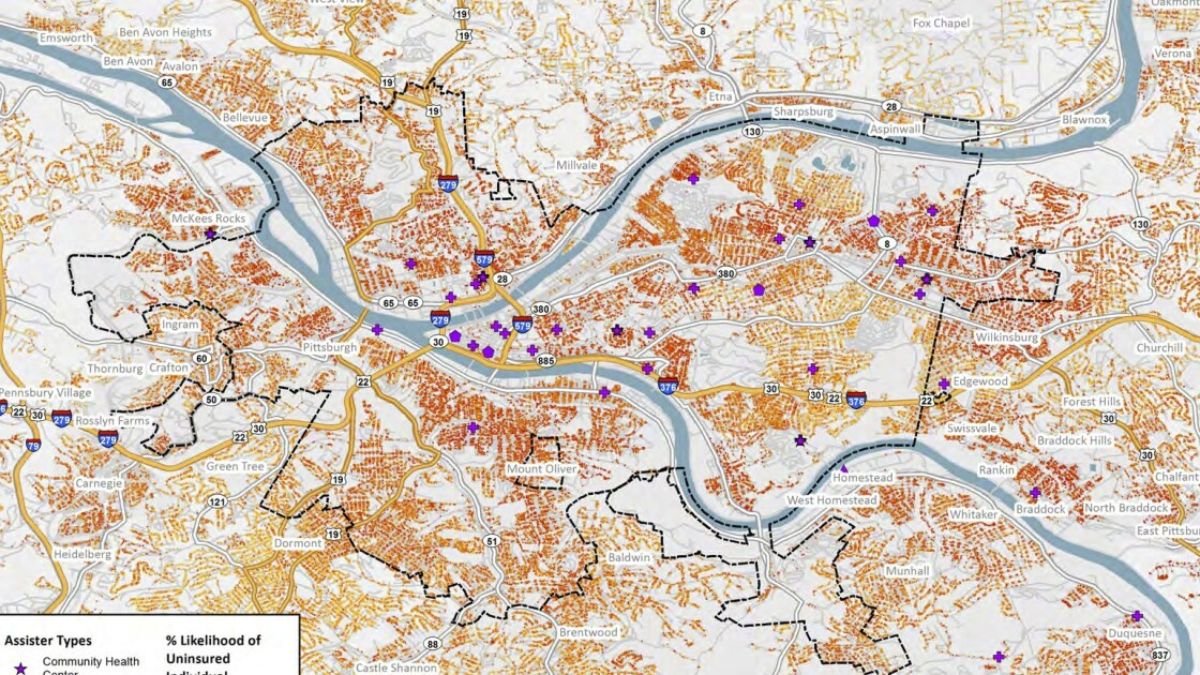
Health inequities remain a persistent challenge in many urban areas, and Pittsburgh is no exception. Certain neighborhoods, often underserved and economically disadvantaged, face systemic barriers to accessing quality healthcare, nutritious food, and wellness resources. In response to these disparities, the Pittsburgh Schweitzer Fellows Program (PSFP) has emerged as a transformative initiative, focused on bridging gaps in health services, promoting community wellness, and empowering local residents. Through innovative strategies, dedicated fellows, and sustained community engagement, PSFP is creating a tangible impact in neighborhoods that need it the most.
Understanding Health Inequities in Pittsburgh
Before exploring PSFP’s contributions, it is important to understand the landscape of health inequities in Pittsburgh. Underserved neighborhoods often experience higher rates of chronic illnesses, including diabetes, heart disease, and asthma. These health outcomes are closely tied to social determinants such as income, education, access to nutritious food, and safe recreational spaces. Residents may face difficulties reaching healthcare facilities due to limited transportation options, cost barriers, or a shortage of culturally competent providers.
Moreover, these disparities are not merely medical—they are deeply rooted in historical, economic, and social structures. Structural inequities, including housing segregation and underinvestment in public infrastructure, exacerbate health challenges. Children and elderly residents are particularly vulnerable, as they rely heavily on local support systems for routine care, preventive screenings, and wellness education. Addressing these inequities requires a multi-faceted, community-driven approach, which is precisely where PSFP steps in.
The Mission of Pittsburgh Schweitzer Fellows Program
The Pittsburgh Schweitzer Fellows Program is rooted in the philosophy of community-centered healthcare. Its mission goes beyond conventional volunteer work; it aims to develop sustainable health interventions that directly respond to the needs of underserved communities. Each year, a cohort of motivated fellows—often medical, nursing, and public health students—embark on year-long projects designed to improve health outcomes, promote education, and foster local engagement.
What sets PSFP apart is its emphasis on collaboration. Fellows do not impose top-down solutions but instead work closely with community organizations, schools, and local residents. This participatory approach ensures that interventions are tailored, culturally sensitive, and sustainable. By focusing on empowerment rather than charity, PSFP creates lasting change that continues to benefit neighborhoods long after the fellowship year concludes.
Targeting Neighborhoods with Greatest Need
PSFP strategically focuses on neighborhoods in Pittsburgh where health inequities are most pronounced. These areas often have limited access to clinics, high rates of preventable diseases, and residents facing financial and social hardships. By concentrating efforts in these neighborhoods, the program maximizes its impact and ensures that resources reach those most in need.
Fellows spend significant time understanding the specific challenges each community faces. This includes conducting needs assessments, speaking with residents, and collaborating with local leaders. For example, some neighborhoods may struggle with childhood obesity due to lack of access to fresh produce, while others may face higher rates of chronic respiratory conditions linked to environmental factors. By identifying these local health priorities, PSFP designs interventions that are both relevant and effective.
Innovative Health Projects and Interventions
The hallmark of PSFP’s approach is its creativity and adaptability. Fellows implement a wide range of projects, from nutrition education programs and fitness initiatives to mental health workshops and preventive care clinics. One project might involve establishing a community garden to improve access to fresh vegetables, while another could focus on offering health screenings at local schools or community centers.
In addition to addressing physical health, PSFP recognizes the importance of mental wellness. Many underserved neighborhoods experience higher levels of stress, anxiety, and social isolation due to socioeconomic pressures. Fellows develop programs that provide counseling, peer support, and educational workshops to foster resilience and emotional well-being. This holistic approach acknowledges that health inequities are multidimensional and require solutions that address both body and mind.
Empowering Local Residents
A key aspect of PSFP’s work is empowerment. Rather than solely providing services, fellows train and engage community members to take an active role in improving their own health. For example, parents may be taught how to prepare nutritious meals on a budget, youth might be trained to lead fitness activities, and local volunteers can be equipped to sustain health programs independently.
This approach ensures that interventions have a ripple effect. When residents acquire knowledge, skills, and confidence, they become advocates for wellness within their own neighborhoods. PSFP’s model fosters a sense of ownership and pride, strengthening the social fabric of communities while addressing health disparities.
Collaboration with Community Organizations
PSFP’s success is also rooted in collaboration with existing community organizations. Local nonprofits, schools, and health centers provide essential support, helping fellows identify priorities, coordinate programs, and reach residents effectively. This partnership approach ensures that efforts are not duplicative but instead complement ongoing initiatives.
For example, a fellow may work with a neighborhood clinic to provide free blood pressure screenings, while coordinating with a local nonprofit to offer follow-up educational sessions on heart health. By leveraging the expertise and resources of community partners, PSFP ensures that projects are comprehensive, impactful, and sustainable.
Measuring Impact and Outcomes
Effectiveness is a central focus for PSFP. Fellows are trained to set measurable goals and track outcomes throughout their projects. This data-driven approach helps demonstrate the tangible benefits of interventions, from increased health literacy to improved access to preventive care.
Success is measured not only in statistics but also in the stories and experiences of residents whose lives have been positively affected. Families may report healthier eating habits, youth may show increased physical activity, and communities may feel stronger connections through shared wellness initiatives. By combining quantitative and qualitative measures, PSFP captures the full impact of its work on underserved neighborhoods.
Challenges and Lessons Learned
While PSFP has achieved remarkable results, addressing health inequities is not without challenges. Fellows often navigate resource constraints, logistical barriers, and the complex realities of systemic inequities. Building trust within communities takes time and persistence, especially in neighborhoods that have historically faced neglect or marginalization.
However, these challenges also provide valuable lessons. Fellows learn the importance of flexibility, cultural sensitivity, and listening to community voices. The program teaches that meaningful change is not quick or one-sided but requires patience, collaboration, and a long-term commitment. These lessons not only benefit the residents served but also shape the professional and personal growth of the fellows themselves.
Sustaining Change Beyond the Fellowship
One of PSFP’s defining characteristics is its emphasis on sustainability. Projects are designed to endure beyond the fellowship year, either by training community members, partnering with local organizations, or creating replicable models. This ensures that the benefits continue to reach neighborhoods long after the initial interventions.
Sustainability is particularly important in addressing health inequities, as these issues are deeply entrenched and require ongoing attention. By leaving behind resources, knowledge, and empowered residents, PSFP ensures that communities can continue to thrive and address health challenges independently.
Conclusion
The Pittsburgh Schweitzer Fellows Program is a powerful example of how dedicated, community-centered initiatives can address health inequities in underserved neighborhoods. Through innovative projects, collaboration, and a focus on empowerment, PSFP tackles the social, economic, and environmental factors that contribute to health disparities. Its impact is felt not only in improved health outcomes but also in stronger, more resilient communities.
By bridging gaps in access, education, and resources, PSFP demonstrates that meaningful change is possible when solutions are rooted in empathy, partnership, and long-term vision. As Pittsburgh continues to confront health inequities, programs like PSFP offer hope, inspiration, and a blueprint for creating healthier, more equitable communities.
