
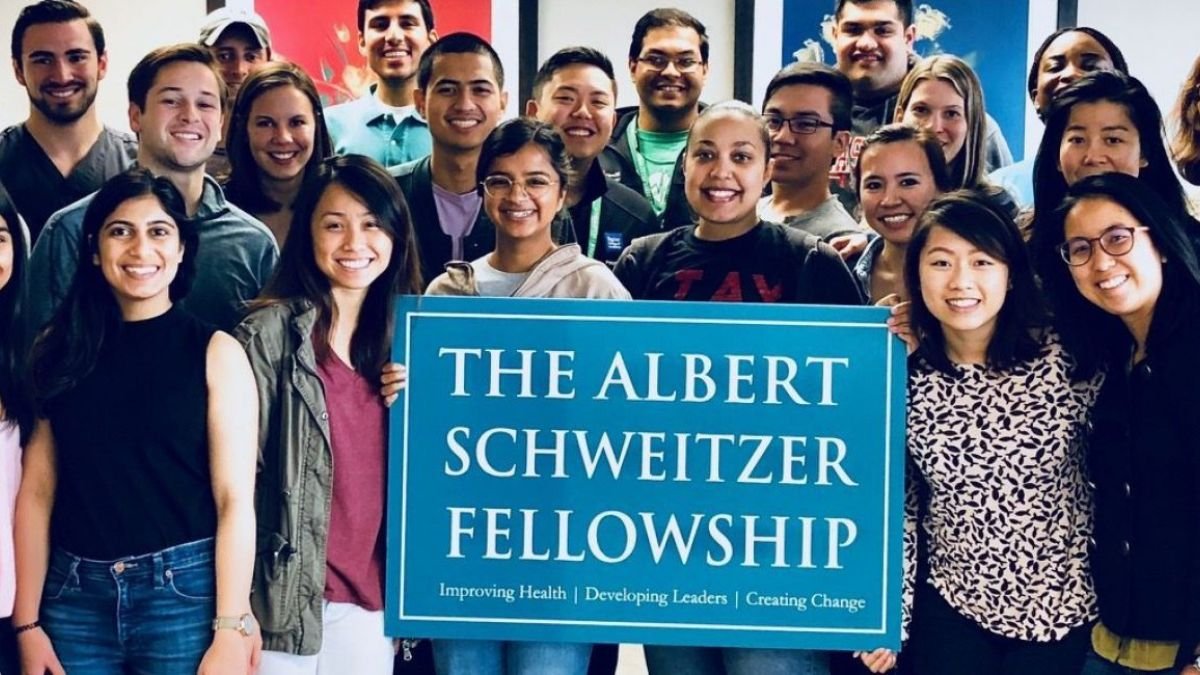
Graduate school is often described as a journey filled with discovery, learning, and growth. But for many students, it is also a time to figure out how their academic work can create a real and lasting impact in the world. The Pittsburgh Schweitzer Fellowship Program offers exactly that kind of opportunity. Inspired by the humanitarian work and philosophy of Albert Schweitzer, this program encourages graduate students from various fields to develop and implement projects that improve health and well-being in underserved communities. If you are a graduate student with a passion for service and leadership, applying for the Pittsburgh Schweitzer Fellowship may be one of the most meaningful steps you take in your academic journey.
In this long, human-centered guide, we will walk through what the program is, who it is for, and how you can thoughtfully prepare a strong application. Rather than focusing only on rules and logistics, this article aims to help you connect emotionally and purposefully to the spirit of the Fellowship, so you can approach the process with clarity and confidence.
Understanding the Spirit and Purpose of the Fellowship
The Schweitzer Fellowship is not just another line on a résumé or scholarship application. It is rooted in the philosophy of “Reverence for Life,” emphasizing compassion, service, and commitment to social justice. Fellows work directly with communities that experience barriers to healthcare, education, and support services. This could include developing mental health programs, improving access to nutrition resources, or working with vulnerable populations to build trust and opportunities.
The core idea is simple yet powerful: students are not just observers of societal issues; they are active contributors to solving them. The program helps you design and lead a year-long service project that grows your leadership abilities, strengthens your sense of purpose, and deepens your understanding of community health challenges. It is as much about personal transformation as it is about community impact.
Who Should Apply?
The Fellowship is open to graduate students from a wide range of disciplines, including medicine, public health, nursing, social work, psychology, law, education, and more. If your academic path intersects with human well-being in any form, you may be an ideal candidate. But beyond academic background, the program is really seeking students who demonstrate empathy, creativity, and dedication.
Applicants should be motivated by more than academic achievement. Passion for service, willingness to collaborate, and readiness to learn from community members are essential qualities. You do not need to have all the answers. In fact, the best applicants are often those who come with curiosity and humility, eager to listen and grow while contributing their skills.
Preparing Yourself Before You Apply
Before starting your application, take some time to reflect on your values, motivations, and long-term goals. Ask yourself why community service matters to you personally. Consider what issues you feel deeply connected to, whether that is mental health, health equity, housing insecurity, child development, or another area of social importance.
It is also incredibly helpful to learn more about the communities you hope to serve. This does not mean assuming what people need, but rather seeking to understand their lived experience. Spend time volunteering, talking with mentors, or connecting with community organizations. The Fellowship places great value on meaningful, respectful partnerships rather than top-down solutions.
Designing a Strong Community Project Concept
One of the most important parts of the application involves proposing a project you will lead during the Fellowship year. This project should address a real and relevant health-related challenge in an underserved population. It should also be sustainable, meaning that it could potentially continue beyond your Fellowship term.
Start with a clear problem statement. What issue are you trying to solve? Why is it important? Who is affected? Then describe how your project will respond to that need. Think in practical terms. Will you create a workshop series? A support group? A mentorship program? A resource network?
Strong projects are:
- Community-centered rather than student-centered
- Realistic in scale and timeline
- Collaborative and respectful
- Rooted in genuine need
Even though we are not using bullet points in the article body, keep these qualities in mind as guiding principles when shaping your idea.
Building Partnerships and Mentorship
Every Schweitzer Fellow works with a host organization and mentors who guide them through the implementation process. This collaboration ensures that your project is grounded in real-world systems rather than theoretical ideas.
As you prepare your application, consider identifying organizations already working in the space you care about. These might include nonprofits, clinics, schools, advocacy groups, or community centers. Building a relationship early shows commitment and ensures that your project supports existing efforts rather than duplicating work.
Mentorship is another key pillar. Mentors help you refine your goals, navigate challenges, and stay grounded in the mission of compassionate leadership. Reflect on potential mentors within your academic institution or professional network who share your passion for social impact.
Writing a Compelling Application
When you begin writing, remember that the Fellowship committee is interested not just in what you do, but who you are. Authenticity matters. Share your story honestly. Talk about experiences that shaped your desire to serve. Explain what you hope to learn, not only what you hope to achieve.
Your project proposal should be clear, detailed, and well-organized. Outline your objectives, methods, expected outcomes, and evaluation plan. Think about how you will measure success, whether through participation rates, feedback, behavioral change, or other indicators.
Also make sure your application highlights leadership experience, teamwork, resilience, and commitment. If you have worked with diverse populations before, describe what you learned and how you grew from the experience.
Balancing Fellowship Commitments with Graduate Studies
One concern many students have is managing their academic responsibilities alongside the Fellowship. It is true that the Fellowship requires dedication, reflection, and consistent engagement. However, the program is designed with students in mind and provides strong support systems.
Time management, planning, and communication are key. By integrating your project into your academic or professional interests, the work can become an extension of your learning rather than an added burden. Many Fellows describe the experience as energizing rather than overwhelming, because it reconnects them with the human purpose behind their studies.
The Transformational Impact of the Fellowship
Becoming a Pittsburgh Schweitzer Fellow is not only about the project you complete during the program year. It is about who you become in the process. Fellows often report increased confidence, leadership ability, and clarity of purpose. They learn to listen deeply, collaborate across differences, and embrace service as a lifelong commitment.
The relationships you build—with community members, mentors, and fellow students—continue long after the Fellowship ends. You join a broader network of Schweitzer Fellows and alumni across the country who share a common dedication to building healthier, more compassionate societies.
Final Tips for Applicants
As you move forward, approach the application not as a competition, but as a reflection of your passion for service. Stay grounded in empathy. Be intentional. Show that you are ready to learn as much as you are ready to give.
Most importantly, remember that the heart of the program lies in connection—connection between people, between academic knowledge and real-world action, and between personal growth and collective well-being.
Conclusion
Applying for the Pittsburgh Schweitzer Fellowship Program is an opportunity to align your graduate studies with meaningful social impact. It asks you to step beyond theory and engage directly with communities who face real challenges every day. Through thoughtful project design, authentic reflection, and compassionate leadership, you have the chance not only to support others, but also to transform yourself in the process.
If you are a graduate student who believes that knowledge carries a responsibility to serve humanity, then this Fellowship may be the pathway that helps you live that belief more fully. By applying with intention, humility, and courage, you take a powerful step toward shaping a career—and a life—rooted in service, justice, and reverence for human well-being.