
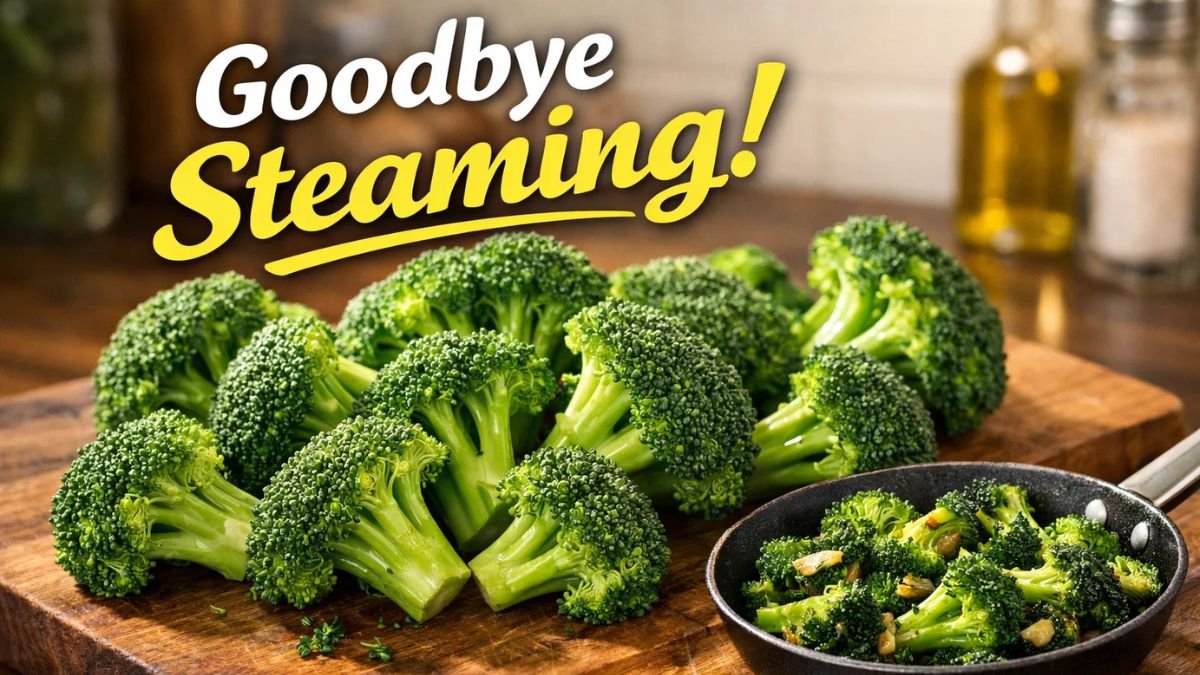
Broccoli has long been celebrated as a superfood. Packed with vitamins, minerals, and antioxidants, it has earned a spot on countless healthy eating lists around the world. Yet, despite its impressive nutritional profile, many people have struggled with how to cook it without losing its benefits. For decades, steaming has been recommended as the safest method to preserve nutrients. However, recent research and culinary experimentation suggest that there may be better ways to prepare broccoli—methods that not only retain its nutrients but also enhance flavor, texture, and enjoyment. It is time to say goodbye to steaming and explore alternative cooking techniques that transform broccoli into a vibrant, nutrient-packed, and irresistible dish.
The Nutritional Value of Broccoli
Broccoli is a cruciferous vegetable, a family that includes cauliflower, kale, and Brussels sprouts. Its bright green florets are rich in vitamin C, vitamin K, folate, and fiber. Broccoli is also a potent source of antioxidants, including sulforaphane, a compound believed to have anti-cancer properties. Furthermore, it contains glucosinolates, which have been linked to improved liver function and detoxification. Eating broccoli regularly can support heart health, boost immunity, and even aid in weight management due to its low calorie but high nutrient content.
However, the way broccoli is cooked can significantly influence its nutritional value. Boiling, for instance, tends to leach water-soluble vitamins like vitamin C into the cooking water, leaving the vegetable less nutritious. Steaming, while better than boiling, may still not be the most effective method to maximize nutrient retention while enhancing flavor.
Why Steaming Isn’t Always the Best Option
Steaming has long been hailed as the gold standard for cooking broccoli because it helps minimize nutrient loss compared to boiling. The idea is that the broccoli is suspended above boiling water, allowing the steam to gently cook the vegetable without submerging it in water. While this approach preserves some vitamins, it often results in a soft, sometimes bland texture that many people find unappealing.
Beyond texture, steaming can reduce some of broccoli’s potent antioxidants. Certain phytochemicals are heat-sensitive and water-soluble, meaning that even brief exposure to steam can decrease their levels. Moreover, steaming doesn’t provide the caramelization or flavor development that occurs with dry heat cooking methods. For those who want broccoli that is both nutrient-rich and exciting to eat, exploring alternative cooking methods is essential.
Roasting: Unlocking Flavor and Nutrition
Roasting broccoli in the oven is quickly becoming a favorite among chefs and home cooks alike. The dry heat of the oven brings out the vegetable’s natural sweetness, adds a slight crispness, and allows for caramelization, creating a depth of flavor that steaming cannot achieve. Studies have shown that roasting at moderate temperatures can preserve—and sometimes even increase—certain antioxidants, including vitamin C and glucosinolates, especially when the broccoli is roasted with a small amount of healthy fat, such as olive oil.
To roast broccoli, simply preheat the oven to around 400 degrees Fahrenheit, toss broccoli florets with olive oil, salt, and pepper, and spread them evenly on a baking sheet. Roast for 20 to 25 minutes, turning halfway through to ensure even browning. The result is broccoli that is vibrant, tender yet slightly crispy, and packed with flavor. Adding garlic, lemon zest, or crushed red pepper can further enhance the dish, making it a versatile side that pairs well with a wide range of meals.
Sautéing: A Quick and Nutrient-Preserving Method
Sautéing is another method that combines speed, flavor, and nutrient retention. By cooking broccoli in a hot pan with a small amount of oil, you can preserve most of its vitamins while infusing it with delicious aromas and textures. Unlike steaming, sautéing allows for a bit of browning and caramelization, which adds a pleasant depth to the taste.
To sauté broccoli, heat a tablespoon of olive oil in a skillet over medium-high heat. Add broccoli florets and cook for five to seven minutes, stirring occasionally. For added flavor, toss in minced garlic, a splash of lemon juice, or a sprinkle of chili flakes. The broccoli should remain bright green, slightly crisp, and bursting with nutrients. Sautéing is particularly effective for those who want a quick weeknight side dish or want to mix broccoli into stir-fries without losing its integrity.
Microwaving: A Convenient Option That Works
Microwaving often gets a bad reputation, but when done correctly, it can actually preserve nutrients quite effectively. Because the cooking time is short and little water is needed, water-soluble vitamins like vitamin C are retained at higher levels compared to boiling or prolonged steaming. Microwaving also keeps the broccoli crisp, maintaining both color and texture.
For best results, place chopped broccoli in a microwave-safe bowl, add a tablespoon of water, cover loosely, and microwave for two to four minutes depending on quantity and desired tenderness. The vegetable can then be seasoned with olive oil, herbs, or a squeeze of lemon to elevate its flavor. While microwaving may not provide the caramelization benefits of roasting or sautéing, it is a practical, nutrient-friendly choice for busy lifestyles.
Stir-Frying: Flavor, Texture, and Nutrient Retention
Stir-frying is an Asian-inspired technique that has gained popularity worldwide for its ability to cook vegetables quickly while maintaining crunch, color, and nutritional content. By using high heat for a brief period, broccoli retains much of its vitamin C and antioxidants. The addition of small amounts of oil also helps in the absorption of fat-soluble vitamins like vitamin K, enhancing the overall nutritional benefit.
To stir-fry broccoli, heat a wok or large pan over high heat and add a teaspoon of oil. Toss in the broccoli florets, cooking rapidly for three to five minutes. Adding other vegetables like bell peppers or carrots, along with garlic, ginger, or soy sauce, creates a quick, flavorful, and nutrient-packed meal. Stir-frying is ideal for those who enjoy vibrant, crisp-tender broccoli with a slightly smoky flavor profile.
Broccoli Recipes You Can Try Today
Beyond simple cooking methods, experimenting with recipes can make broccoli a star ingredient rather than a side note. One easy option is a roasted broccoli salad. After roasting, toss the florets with a light vinaigrette, toasted nuts, and dried cranberries for a nutrient-dense, flavorful salad.
Another delicious idea is broccoli pasta. Sauté the florets with garlic and olive oil, then toss with cooked whole wheat pasta and a sprinkle of Parmesan cheese. For a hearty twist, add chickpeas or grilled chicken to create a complete meal.
For stir-fry lovers, a quick broccoli and tofu stir-fry with soy sauce, sesame oil, and a touch of honey offers a satisfying combination of protein, vitamins, and antioxidants. Even simple microwaved broccoli can be transformed with a drizzle of tahini, lemon juice, and crushed red pepper for a quick and nutritious snack or side dish.
The Role of Fat in Cooking Broccoli
One aspect often overlooked in cooking broccoli is the role of healthy fats. Many nutrients in broccoli, such as vitamins K and A, are fat-soluble, meaning they are better absorbed when consumed with fat. This is why roasting or sautéing with olive oil not only improves flavor but also boosts nutrient absorption. Even a small amount of avocado oil, coconut oil, or butter can make a noticeable difference in both taste and health benefits. Steaming, by itself, lacks this benefit unless the broccoli is dressed afterward with oil or another fat source.
Tips for Maximizing Nutrients in Broccoli
To get the most out of your broccoli, timing and preparation matter. Avoid overcooking, as prolonged heat exposure can degrade vitamins. Try to cook broccoli until it is just tender yet still bright green and slightly crisp. Cutting the florets into uniform sizes ensures even cooking and reduces the risk of nutrient loss.
Additionally, avoid cutting broccoli too far in advance and letting it sit exposed to air. Many antioxidants and vitamins degrade quickly once the vegetable is chopped. If possible, prepare broccoli shortly before cooking and consume it promptly. Pairing broccoli with other nutrient-rich foods, such as healthy fats, garlic, or citrus, can also enhance both flavor and nutritional value.
Conclusion
Broccoli is undeniably one of the most nutritious vegetables available, but how we cook it makes a substantial difference in both taste and health benefits. While steaming has been the traditional go-to method, it is no longer the only—or necessarily the best—option. Roasting, sautéing, stir-frying, and even microwaving are effective ways to preserve nutrients, enhance flavor, and make broccoli a more enjoyable part of any meal. By experimenting with different cooking methods and simple recipes, you can transform this humble green vegetable into a culinary delight while keeping its superfood status intact. The next time you prepare broccoli, say goodbye to plain steaming and embrace cooking methods that bring out the best in both flavor and nutrition. Your taste buds and your body will thank you.
FAQs
Q1: Is steaming broccoli bad for nutrients?
A1: Steaming isn’t bad, but some nutrients, especially vitamin C, can be lost. Other cooking methods may preserve more.
Q2: What’s the best way to cook broccoli to keep nutrients?
A2: Light sautéing, roasting, or microwaving with minimal water helps retain most vitamins and minerals.
Q3: Can broccoli be eaten raw?
A3: Yes, raw broccoli retains all nutrients and can be added to salads or dips.
