
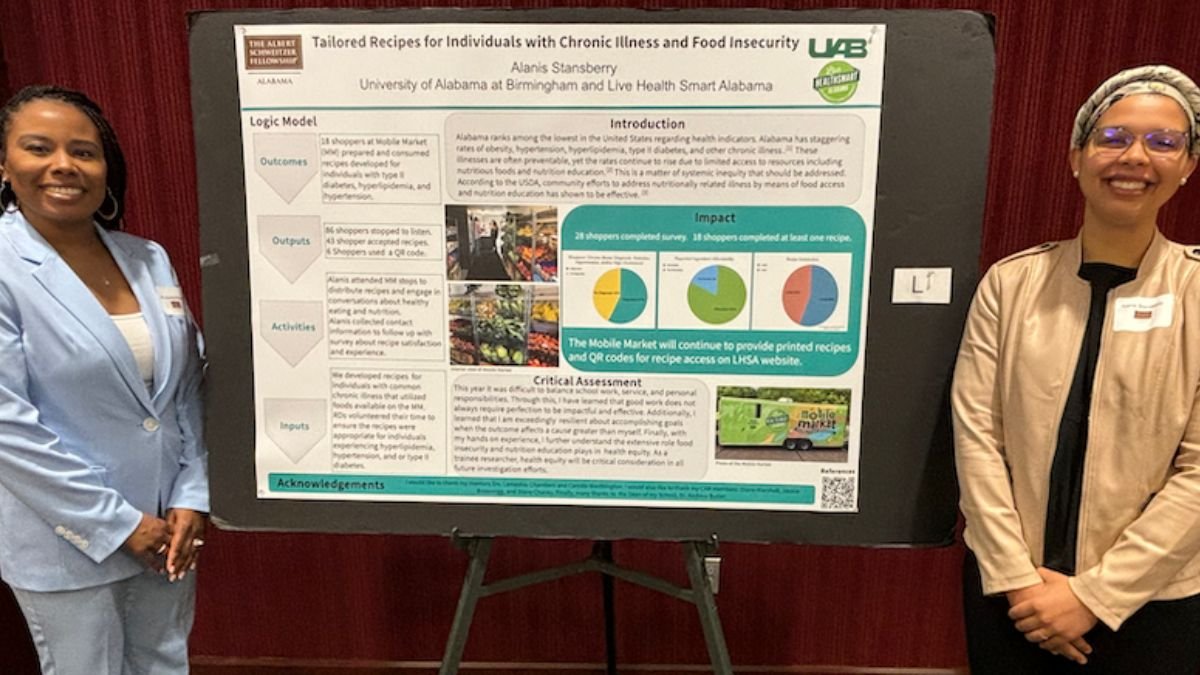
The Pittsburgh Schweitzer Fellowship Program has long been recognized as a transformative initiative that empowers graduate students to create meaningful community impact. However, beyond its mission of fostering public service and social innovation, the program has also placed a significant emphasis on diversity, equity, and inclusion (DEI). In an era where societal disparities remain a pressing concern, programs like the Schweitzer Fellowship not only serve communities but also reflect on the internal culture of inclusivity and representation within the program itself. Understanding the ways in which the program integrates DEI principles can provide insight into how educational and service-oriented institutions can create more equitable and inclusive environments.
Commitment to Diversity
Diversity is the cornerstone of the Pittsburgh Schweitzer Fellowship Program. From the very beginning, the program has aimed to recruit fellows from a wide array of backgrounds, ensuring representation across various demographics including race, ethnicity, socioeconomic status, gender, and academic disciplines. The program recognizes that diversity in its cohort is not simply a metric to be achieved but a vital contributor to richer perspectives and innovative solutions. By welcoming fellows from varied experiences, the program cultivates a learning environment where multiple viewpoints can coexist, challenge assumptions, and foster deeper understanding.
The commitment to diversity is evident not only in recruitment but also in the design of community projects. Fellows are encouraged to work in communities that differ from their own backgrounds, promoting cultural exchange and empathy. This approach not only enriches the learning experience for fellows but also ensures that the projects are sensitive to the unique needs of the populations they aim to serve. In this sense, diversity is more than a principle; it is an actionable component embedded into every aspect of the program.
Equity in Opportunities
Equity within the Pittsburgh Schweitzer Fellowship Program extends beyond recruitment and representation. The program actively works to remove barriers that may prevent talented students from participating. This includes offering financial support, mentorship opportunities, and flexible project frameworks to accommodate diverse life circumstances. By addressing systemic barriers that often hinder underrepresented groups, the fellowship creates a level playing field where every fellow can thrive and contribute meaningfully to their community projects.
Equity also plays a critical role in project evaluation and support. Fellows’ proposals are assessed with attention to both the impact on the community and the fellow’s potential to learn and grow. This approach recognizes that not all fellows begin with the same resources or advantages and ensures that each participant receives the guidance necessary to achieve success. By embedding equity into both structural and evaluative practices, the Pittsburgh Schweitzer Fellowship Program sets a standard for inclusive excellence.
Fostering Inclusion
Inclusion goes hand-in-hand with diversity and equity, ensuring that all fellows feel valued, respected, and supported throughout their experience. The program cultivates a culture of inclusion by promoting open dialogue, encouraging collaboration, and emphasizing the importance of listening to marginalized voices. Regular workshops and seminars focused on cultural competency, implicit bias, and community engagement are integral to the fellowship experience. These initiatives not only prepare fellows to engage effectively with diverse communities but also encourage self-reflection and personal growth.
Inclusion is also nurtured through mentorship and peer support. Fellows are paired with mentors who provide guidance tailored to their unique challenges and strengths, fostering a sense of belonging within the program. Peer networks further reinforce this environment, allowing fellows to share experiences, learn from one another, and build a collective identity rooted in mutual respect and collaboration. Through these deliberate practices, the program ensures that inclusion is more than an aspirational goal; it is a lived experience for all participants.
Impact on Community Engagement
The focus on DEI within the Pittsburgh Schweitzer Fellowship Program has a profound impact on the communities that fellows serve. Projects designed through a lens of diversity and equity are more likely to address systemic issues and reach those who are most marginalized. Fellows are encouraged to engage in participatory practices, collaborating with community members to co-create solutions that are both culturally relevant and sustainable. This approach not only strengthens the effectiveness of community interventions but also models inclusive practices that can be replicated by organizations and institutions beyond the fellowship.
Moreover, the presence of diverse fellows within these projects fosters trust and empathy. Community members often respond more positively to initiatives when they see representation in those leading the work. By ensuring that projects are inclusive in both design and implementation, the Pittsburgh Schweitzer Fellowship Program amplifies its impact, creating meaningful and lasting change.
Challenges and Opportunities
Despite its strong commitment to DEI, the Pittsburgh Schweitzer Fellowship Program, like any institution, faces ongoing challenges. Recruiting a diverse cohort requires continual outreach and engagement with communities and institutions that may not traditionally feed into programs like this. Ensuring that equity is practiced in tangible ways requires constant evaluation of policies, funding, and mentorship structures. Inclusion, meanwhile, demands a cultural shift that goes beyond programming into the day-to-day interactions and values of the organization.
However, these challenges also present opportunities for growth. By continuously reflecting on practices, seeking feedback from fellows and community partners, and adapting to the evolving needs of society, the program can strengthen its DEI framework. This iterative approach ensures that the fellowship remains not only a prestigious opportunity but also a model of inclusivity and social responsibility.
DEI as a Learning Tool
The integration of diversity, equity, and inclusion into the Pittsburgh Schweitzer Fellowship Program is not solely about policy—it is a powerful learning tool for fellows. Participants are exposed to real-world social disparities and are challenged to think critically about solutions that are just and equitable. Through experiential learning, fellows gain insights into the structural barriers faced by communities and develop the skills to advocate for systemic change. This experiential aspect of DEI ensures that fellows leave the program not only with professional growth but also with a heightened sense of social consciousness and responsibility.
Furthermore, the lessons in inclusion and equity extend into professional and personal lives beyond the fellowship. Alumni often carry forward these values into their careers, volunteer work, and daily interactions, contributing to a ripple effect of inclusivity that transcends the boundaries of the program itself. In this way, the fellowship cultivates leaders who are not only capable but also socially attuned and empathetic.
Creating a Sustainable DEI Culture
Sustainability of DEI initiatives within the Pittsburgh Schweitzer Fellowship Program depends on institutional commitment and continuous innovation. The program invests in ongoing training, evaluation, and resource development to ensure that DEI principles are deeply embedded in its operations. This includes revisiting recruitment strategies, assessing the accessibility of project resources, and creating spaces where fellows and community members alike can voice concerns and suggestions.
Sustainability also requires cultivating partnerships with organizations that share similar values. Collaborating with community organizations, educational institutions, and social service agencies enhances the program’s ability to reach diverse populations and address inequities effectively. By building a network rooted in shared commitment to DEI, the Pittsburgh Schweitzer Fellowship Program ensures that its impact is both deep and enduring.
Conclusion
The Pittsburgh Schweitzer Fellowship Program exemplifies how diversity, equity, and inclusion can be integrated into educational and service-oriented initiatives to create meaningful change. Through its deliberate efforts in recruiting diverse fellows, promoting equity in opportunities, and fostering an inclusive culture, the program not only strengthens the experiences of its participants but also amplifies its positive impact on the community. Challenges remain, as with any institution striving for social justice, but the program’s commitment to continual learning, reflection, and adaptation demonstrates a model for others to follow. At its heart, the Pittsburgh Schweitzer Fellowship Program shows that when DEI principles are prioritized and lived authentically, they become more than policies—they become the very fabric of transformative social impact.