
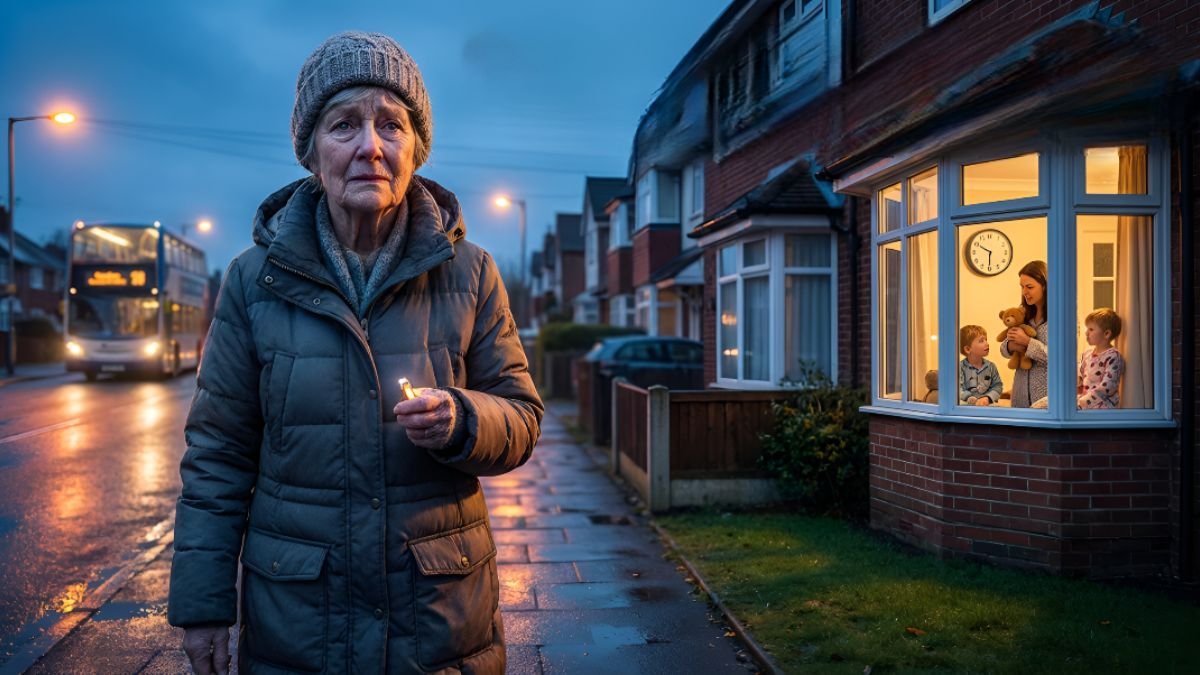
As Christmas 2025 draws to a close, while most people are still shuffling around in their slippers, indulging in leftover treats and comfortable routines, a small but significant shift will have quietly begun. The change to the clocks in the UK for 2026 will be felt earlier this time. It won’t be a change of hours, but enough to make people pause for a moment, look at the evening sky, and think, “How did it get dark so quickly?”
In a semi-detached house in Leeds or a flat in Croydon, children will be told to go to bed, but the sky outside will feel subtly different from last year. The commute home from work, the dog walk, evening tea—everything will be the same on paper, but inwardly, something will feel slightly off-kilter. The clock on the wall will say one thing, while the body feels another.
Why evenings will feel like they’re “slipping away” faster in 2026
Imagine a typical Tuesday in the last week of March 2026. You’re on the bus, idly checking emails on your phone and half-watching the light rain against the window. Suddenly, your gaze drifts to the sky—and it seems darker, bluer, and heavier than you remember. Not quite night, but the kind of twilight that usually arrives in later weeks.
Your mind pauses for a moment. The time is the same, the routine is the same, yet why does everything feel different? As you get off the bus, the streetlights are already on. Children playing in the nearby park are being called home earlier. On paper, life is the same, but the light has moved ahead.
For a family in Birmingham, this might mean that children’s football practice now finishes under floodlights instead of in daylight. For a nurse in Glasgow finishing a late shift, the walk to the car park will now be in complete darkness—that half-hour that used to be a peaceful buffer between work and home will feel like it’s vanished.

When routine is dictated by light, not the clock
A father in Cardiff explained that even a one-hour clock change is noticeable. He said that if sunset shifts just a few weeks earlier, it throws off his two young sons’ entire “dinner-bath-bed” routine. Sometimes the children are overstimulated because it’s still light outside; sometimes they’re inexplicably irritable because they feel it’s too late. And the parents are left trying to maintain the illusion that everything is under control.
The reason is simple—our daily lives are governed more by light than by the clock. We often eat when it’s light, wind down when it gets dark, and gauge our fatigue and productivity by the color of the sky outside our windows. When the clocks change before our habits do, it creates a kind of “emotional jet lag” between our bodies and the time.
Scientists call this “social jet lag”—when the time dictated by society and our body’s internal clock are out of sync. In 2026, this discrepancy won’t just be a theory; it will be visible at bus stops, school gates, and office pantries.
How to Prepare Your Routine Before the Clock Change
The easiest way to minimize the disruption is to gradually adjust your “internal clock” before the official time change. No strict rules, no sudden shifts—just small steps. A week or two before the clock change, start shifting key parts of your day forward by 10–15 minutes every two or three days.
Wake up a little earlier. Have your evening tea at 7:00 instead of 7:10. Start the kids’ bedtime routine one story earlier. These small changes add up so that when the actual clock change happens, your body doesn’t experience such a shock.
Often, people make the mistake of thinking everything will be fine on Monday morning. Staying up late on Sunday night, scrolling through your phone, and then expecting to wake up at the “new” 6:30 AM feeling fully energized—we’ve all been there.
Incorporate Light into Your Habits
A more effective approach is to link your routine to light. Draw the curtains a little earlier, dim the bright living room lights sooner, and replace the cool LED bulbs in the kitchen with warmer ones. Let the atmosphere of your home signal to your brain that the day is winding down.
What if things go wrong for a day or two? That’s okay. Sleep consultant Anna Read says, “Clocks are a social construct, but the body still follows the light. When the change comes sooner than expected, people are actually feeling the difference between the light and their routine, not the numbers on the clock.”
Creating a small “light toolkit” at home can be helpful—getting bright natural light in the morning, taking a 10–15 minute walk outside after school or work, using soft, warm lighting after 8 PM, and dimming screen brightness before bed.

A Small Shift in Time, a Big Reflection on Life
This first clock change of 2026 will pass like all the others—a few complaints on social media, searches for “Why am I so tired?”, and then a new normal. But the lingering feeling will be a reminder of how delicately balanced our lives are.
For some, this shift will mean adjusting their dog-walking routine in the afternoon. For others, it will highlight the thin line between sending that last email of the day and putting the kids to bed. And some might see it as an opportunity to slow down, read more, talk more, and cook better meals.
The clocks change, and the question isn’t just “What time is it?” but rather, “How do I want my evenings to feel?” Perhaps this slightly unsettling shift in 2026 gives us a chance to consider how we can better shape our evenings and our lives before the light fades.
FAQs
Q. Why will the clocks change earlier in 2026 in the UK?
A. In 2026, the timing of the clock change aligns differently with the calendar, causing sunsets to feel earlier than people expect, even though the official time shift follows the usual rules.
Q. Will the clocks change by more than one hour in 2026?
A. No, the clocks will still change by just one hour. The disruption comes from how the earlier shift affects daylight and daily routines, not from a larger time change.
Q. How will earlier sunsets affect daily life?
A. People may notice darker evenings sooner, which can affect commuting, children’s bedtimes, outdoor activities, and overall energy levels.
Q. What is “social jet lag” and why does it matter?
A. Social jet lag happens when our internal body clock doesn’t match social schedules. Earlier clock changes can increase tiredness, mood changes, and sleep problems.
Q. How can households prepare for the 2026 clock change?
A. Gradually adjusting wake-up times, meals, and bedtimes by 10–15 minutes before the change and managing light exposure can help reduce disruption.
